
The Role of Civil Engineers in Stormwater Management
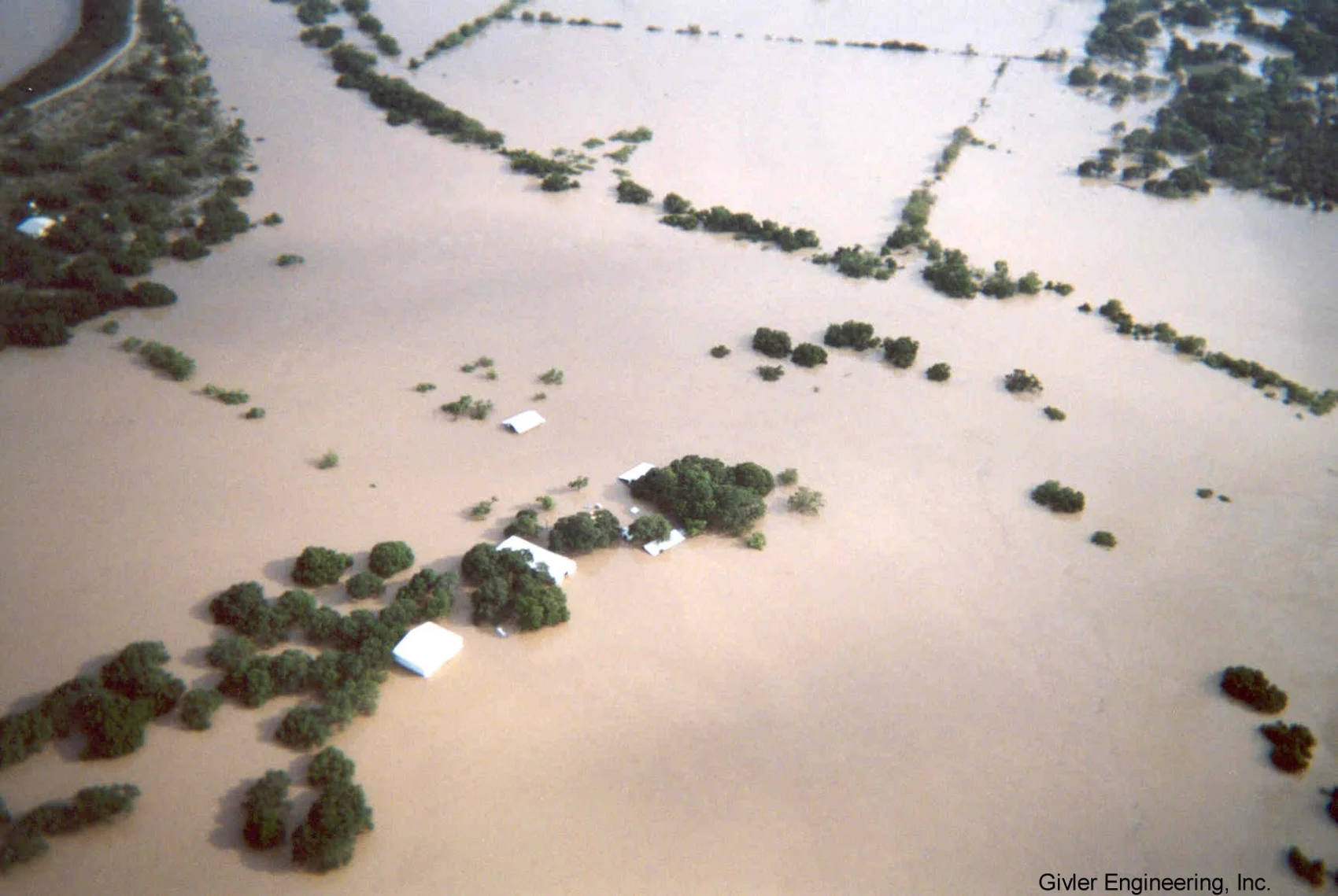
Stormwater problems can show up after construction is finished, when fixes are expensive and many of the options are limited. Flooded lots, water in buildings, eroded channels, and downstream complaints usually aren’t surprises — they’re the result of stormwater not being addressed early enough or designed with enough care.
Civil engineers are responsible for preventing those outcomes. Their role goes beyond sizing pipes or locating ponds. The process begins with evaluating natural drainage, continues with predicting development impacts, and results in stormwater systems designed to manage runoff responsibly.
Why Is Stormwater Management Important?
Before a site is developed, much of the rainfall may soak into the ground. Development often increases the amount of impervious surface, such as roofs and pavements. The increase in imperviousness means that less rain will soak into the ground and more rain will become runoff.
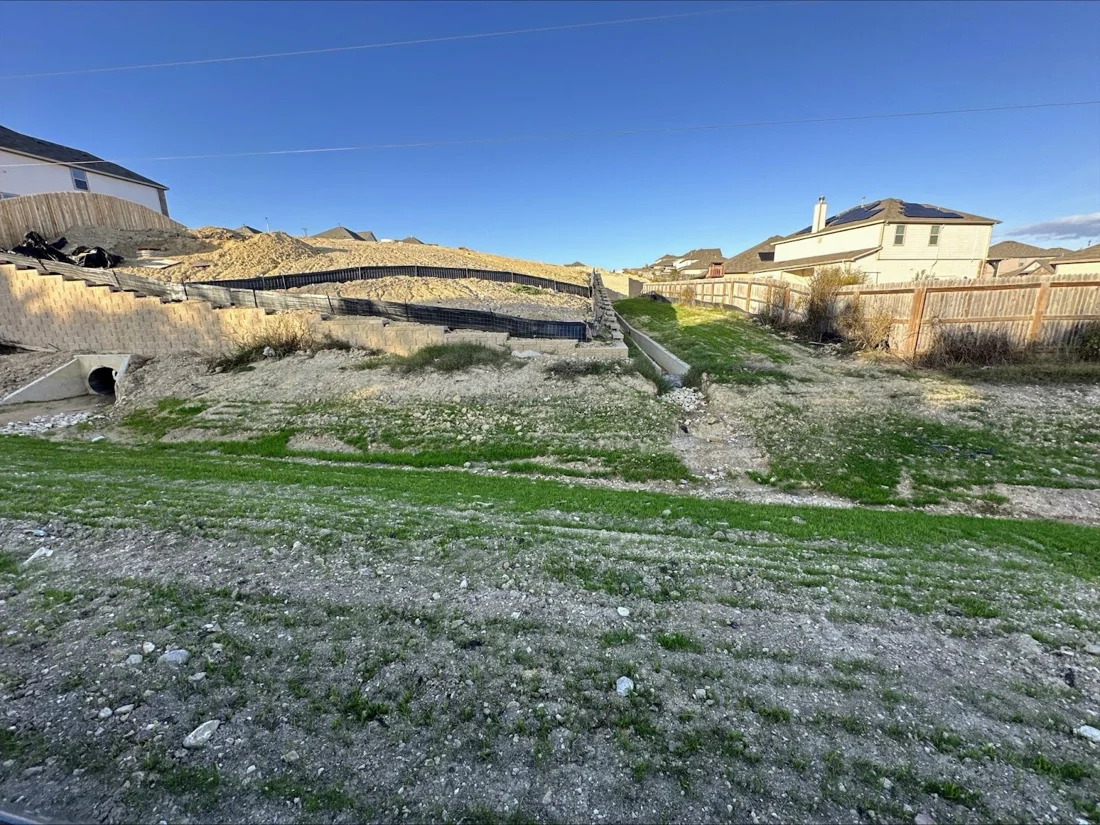
Undeveloped sites also tend to spread out runoff and cause it to move slowly and along indirect paths through the natural landscape. Once development occurs, the removal of vegetation and the presence of curbs, swales, and gutters make runoff more concentrated and flow paths shorter and more efficient. This causes runoff to move faster across the site.
These runoff changes caused by development result in larger flow rates and increased risk. Runoff that isn’t properly managed can overwhelm downstream drainage systems. The result can be flooded properties, damaged channels, and strained infrastructure.
Stormwater management is designed to control discharge rates so those issues don’t arise. When done early and done right, a good drainage system protects everyone involved. Delaying or neglecting a good drainage system can lead to immediate problems and persistent problems that never fully go away.
What Is a Stormwater Management Plan?
A stormwater management plan documents how a site will handle runoff. Some plans address temporary construction conditions, and others address permanent, after-construction conditions.
A good plan looks at:
- How much runoff the site produces before development
- How much runoff it will produce afterward
- How the developed site will prevent increases in downstream flooding
There’s no one-size-fits-all solution. Each site has different soils, slopes, rainfall patterns, and downstream conditions. That’s why stormwater management plans need to be engineered — not copied.
The Role of Civil Engineers in Stormwater Management
Civil engineers play a central role in stormwater management because it’s fundamentally an engineering problem. Engineers approach stormwater management in two parts.
The first is limiting the amount of runoff leaving a site so that downstream properties aren’t exposed to new flooding risks. In many areas, regulations require post-development flow rates to match or be less than existing condition flow rates.
The second part is capacity. Drainage systems must be designed to carry or store that runoff without being overwhelmed during storm events. That might mean channels, pipes, storage systems, or ponds sized to handle specific conditions.
Engineers also manage local and regional aspects of runoff, including:
- Runoff generated by the site itself
- Runoff coming onto the site from surrounding properties
In some cases, that means collecting off-site water and routing it safely around a development so it doesn’t interfere with buildings, roads, or parking areas.
How Site Conditions Shape Stormwater Design
Stormwater design starts with understanding the site. Rainfall isn’t the same everywhere — and even within a single state, storm intensity and frequency can vary significantly. Soil type plays an equally important role.
In wetter climates, rainfall rates often exceed the soil’s ability to absorb water, making storage and controlled release necessary. In drier regions with sandy or gravelly soils, infiltration-based solutions can work well.
Clay soils behave differently. They infiltrate poorly, so runoff usually needs to be managed through storage and controlled discharge. Engineers also have to think about groundwater. In rural areas with shallow wells, infiltrating runoff without proper study can cause problems for nearby shallow wells, even beyond the project boundary.
Floodplains, watershed characteristics, and nearby development all shape stormwater design. These factors are evaluated early to ensure the drainage system adequately serves the site.
Detention Pond vs. Retention Pond
Two of the most common tools for controlling runoff flow rates are detention ponds and retention ponds. Each one is based on a different mechanism for preventing increases in runoff due to development. The goal is to reduce peak flow rates under developed conditions so downstream systems won’t be overwhelmed during storms.
A detention pond temporarily stores developed runoff and releases it slowly through a controlled outlet. A retention pond, by contrast, is designed to hold water long enough for it to infiltrate into the ground or evaporate. These ponds often don’t have outlets at all and may reduce developed runoff rates to zero.
Which one makes sense depends on rainfall intensity, soil permeability, available space, and regulatory requirements. And sometimes, neither is ideal. Underground storage, oversized pipes, or distributed systems may be better options — especially on sites where usable land is at a premium.
Engineering the System: How Stormwater Is Modeled
Stormwater design begins with hydrology — essentially tracking how rain turns into runoff during a storm.
Engineers start by looking at how runoff varies over time. After rain begins, runoff begins to flow across the ground. It increases over time until it reaches its peak condition, when the flow is at its deepest and fastest. Then, as the rainfall tapers off, the runoff also diminishes over time until it reaches its base flow or dry condition. The record that shows how the runoff flow rate changes over time is called a hydrograph.
Routing calculations show how quickly surges of water move through the drainage system. They also show how detention systems affect reductions in peak flows, helping engineers confirm that downstream systems can handle peak conditions safely.
Peak conditions matter most. That’s when flow rates and water depths are highest — and when the worst flooding is most likely to occur.
Why Engineers Need to Be Involved Early
One of the most common stormwater problems starts with neglecting to incorporate drainage design into the initial site layout. Developers may sketch a plan that maximizes building area or lot count, only to discover later that there’s no room left for stormwater features.
At that point, something has to give. The number of lots may have to be reduced. Building sites may need to be regraded. And, if there is not enough room on the surface, expensive underground systems may need to be installed. These later retrofits can end up costing much more than early planning and design for adequate stormwater systems.
Foundation elevations are another frequent issue. Engineers often recommend raising building slab elevations to protect against flooding, while others may recommend lower slab elevations for aesthetic or cost reasons. Choosing the lower option often proves regrettable due to water intrusion and accessibility issues during wet weather. Sometimes these issues can last decades without resolution.
Stormwater needs a seat at the table from the beginning — not after the rest of the development is designed.
Temporary vs. Permanent Stormwater Conditions
Stormwater risks don’t begin when construction ends. In fact, some of the most damaging events happen during construction, when land is disturbed, and systems aren’t fully in place.
Contractors sometimes bet that they’ll finish construction before the next storm. In dry climates, that gamble can seem reasonable — until it isn’t. Temporary conditions need just as much consideration as permanent ones, because the consequences of getting it wrong can be devastating.
Maintenance: The Overlooked Responsibility
Even the best-designed system won’t perform if it isn’t maintained. Ponds fill with sediment. Pipes clog. Channels erode. Maintenance responsibilities need to be clearly communicated to owners so that the systems will function as intended.
Civil engineers play an important role in explaining not just what’s required, but why it matters. Many stormwater-related legal cases stem from systems that worked as designed — until maintenance was ignored.
Climate, Data, and the Future of Stormwater Management
Stormwater design continues to evolve. Updated rainfall data, such as NOAA’s Atlas 14, has changed design rainfall data in many regions. In some areas, design storms are significantly more intense than they were decades ago.
Communities are also rethinking older stormwater solutions. Concrete channels move water quickly, but speed isn’t always a benefit. They can sometimes worsen downstream flooding and harm ecosystems. More natural, integrated solutions are becoming more common — when they’re appropriate for the site.
Final Thoughts
Stormwater management is about foresight. Civil engineers help predict how water will behave before, during, and after construction.
Handled early and designed properly, stormwater systems protect developments, neighbors, and communities — and cost far less than fixing problems later.
For civil engineering expertise you can count on to develop your next project’s stormwater management plan, contact Givler Engineering Inc. today.