
When to Call a Civil Engineering Expert Witness
How an Expert Witness Brings Clarity Out of Complexity
Imagine a courtroom debating why a newly built road collapsed after a storm. To the average person, it’s cracked pavement and standing water. But what caused the failure? Was it the design? The materials? A construction defect? Lack of oversight?
To most observers, this situation would appear to be a mess. To a civil engineering expert witness, it’s a puzzle to solve.
What is an Expert Witness?
Simply put, an expert witness is someone who has specialized knowledge of their field or discipline who can explain it to people who do not. In civil engineering, this usually means a licensed engineer called to provide professional opinions in legal cases. Their job is to take complex designs, calculations, regulations, and technical details and make them understandable for judges and juries.
A civil engineering expert witness is a professional providing technical testimony, translating highly technical engineering concepts into evidence a court can rely on.
What Is the Role of an Expert Witness?
Courts depend on these professionals because:
- They ensure decisions are based on facts
- They help translate technical issues into understandable terms
- They prevent cases from turning into battles of opinion
What Does a Civil Engineering Expert Witness Do?
The work of a civil engineering expert witness often includes:
- Reviewing plans, designs, and compliance records
- Inspecting sites and assessing real-world conditions
- Running calculations or models to determine causes of failures
- Drafting reports that are understandable and defensible
- Testifying in court and explaining technical details
Why Are Expert Witnesses Important?
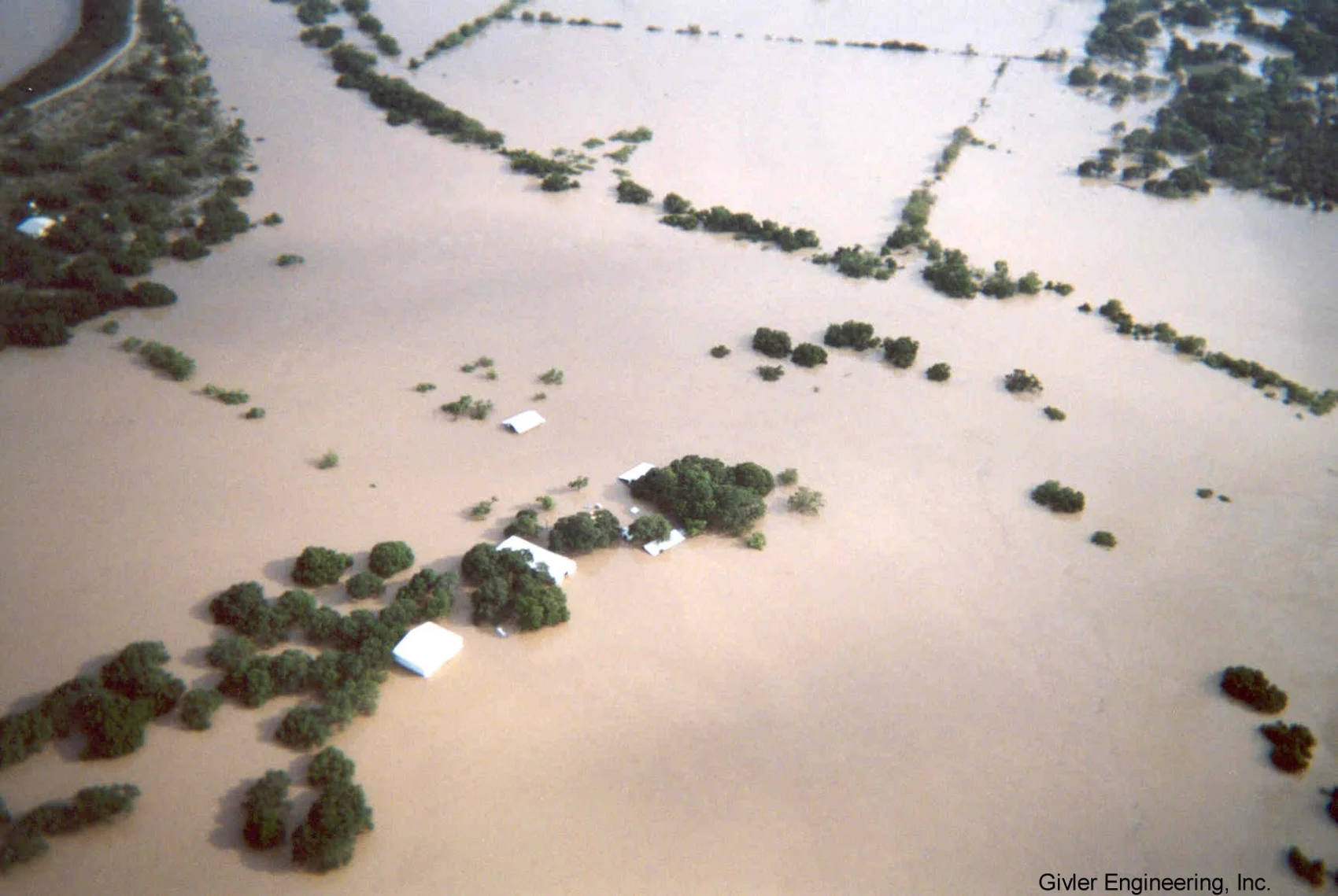
Technical disputes aren’t always obvious. Consider a case involving a commercial property that experiences repeated flooding: developers blame the city, the city blames the developers. Without a civil engineering expert witness, the judge and jury have little to guide their decision-making beyond opinion. The court is left guessing.
However, once a civil engineering expert witness becomes involved, he or she can:
- Review grading plans and stormwater infrastructure
- Conduct a thorough site inspection
- Model water flow to determine the root cause
- Produce a clear report explaining the findings to the court
The result? The court has evidence-backed insights grounded in engineering principles, empowering them to make an informed decision.
When Should You Call a Civil Engineering Expert Witness?
Timing is crucial. Without timely involvement, non-technical opinions may dominate the case. Early inclusion allows experts to sort through extensive documentation, separating relevant information from distractions, incomplete records, or intentionally confusing filings. Additionally, courts and legal teams are subject to deadlines to recognize experts.
Call on an expert witness early in the proceedings whenever engineering issues intersect with legal matters, such as:
- Drainage or flood control disputes
- Site development or grading challenges
- Road, bridge, or structural design issues
- Property damage claims involving engineering systems
Early involvement ensures:
- Accurate data is collected before it’s altered or lost
- Reports meet legal standards for disclosure
- Evidence is documented properly, making defenses or solutions more reliable
- Potential solutions or defenses are grounded in solid engineering
For disputes involving drainage, grading, site development, road design, dams, or floodplain issues, engaging a qualified civil engineering expert witness early can be critical.
How an Engineer Acts as an Expert Witness in Court
The process usually looks like this:
- Review case materials: Plans, permits, and construction documents
- Inspect the site: Observe conditions and collect data
- Analyze findings: Run calculations or models to determine causes
- Draft reports: Clear, objective, and understandable
- Testify in court: Help attorneys explain the technical details
An expert witness doesn’t just provide an opinion—they make it credible, understandable, and actionable.
The key is clarity. Courts aren’t expected to understand grading, drainage, or structural calculations – but they do need to understand what went wrong and why. A civil engineering expert witness provides that understanding.
What Makes a Credible Civil Engineering Expert Witness?
Not every licensed engineer can serve as an effective expert witness. While requirements differ depending on court standards and State Board of Professional Engineers regulations, the most reliable professionals have:
- A valid PE license (what is considered valid may vary according to state law)
- Hands-on experience with relevant projects
- Clear communication skills
- Objectivity and adherence to industry standards
Experience helps with understanding nuances, such as anticipating human behavior and how materials or systems may perform under certain conditions, that go beyond regulations or standards. In short, they’re your technical guide through the legal process.
In Closing
A civil engineering expert witness doesn’t just review documents or weigh opinions – they see what others cannot. They investigate, analyze, and explain complex engineering issues in a way courts can understand. In any legal dispute tied to civil or structural engineering, their insight is not just helpful – it’s essential.
Givler Engineering Inc. provides expert witness services with an objective, evidence-based approach, founded on over four decades of experience in civil engineering and participation in hundreds of legal cases. If you or a client you represent is currently involved in a dispute that could benefit from the unbiased expertise of a professional civil engineer, reach out to us today to request a consultation.