
Civil Engineering Services
Reliable Infrastructure for Public Health and Long-Term Performance
Get in TouchSanitary sewer systems are essential to public health. A properly functioning system removes waste from populated areas, reducing the risk of contamination, illness, and environmental damage — often alongside stormwater management systems.
When these systems perform as intended, they remain out of sight and out of mind. When they don't, the impact can be immediate — service disruptions, overflows, and increased public health risk.
Givler Engineering provides sanitary sewer engineering services as part of its broader civil engineering practice, supporting both new development and existing systems with a focus on long-term performance and practical, field-ready solutions.
Sanitary sewer systems are expected to function reliably for decades. That requires more than installation — it requires proper planning, evaluation, and maintenance over time.
In growing areas, systems must be designed to handle increasing demand. In older areas, aging infrastructure must be assessed and maintained to prevent failure.
Both situations require a clear understanding of how sewer systems behave under real-world conditions — and how to address issues before they escalate.
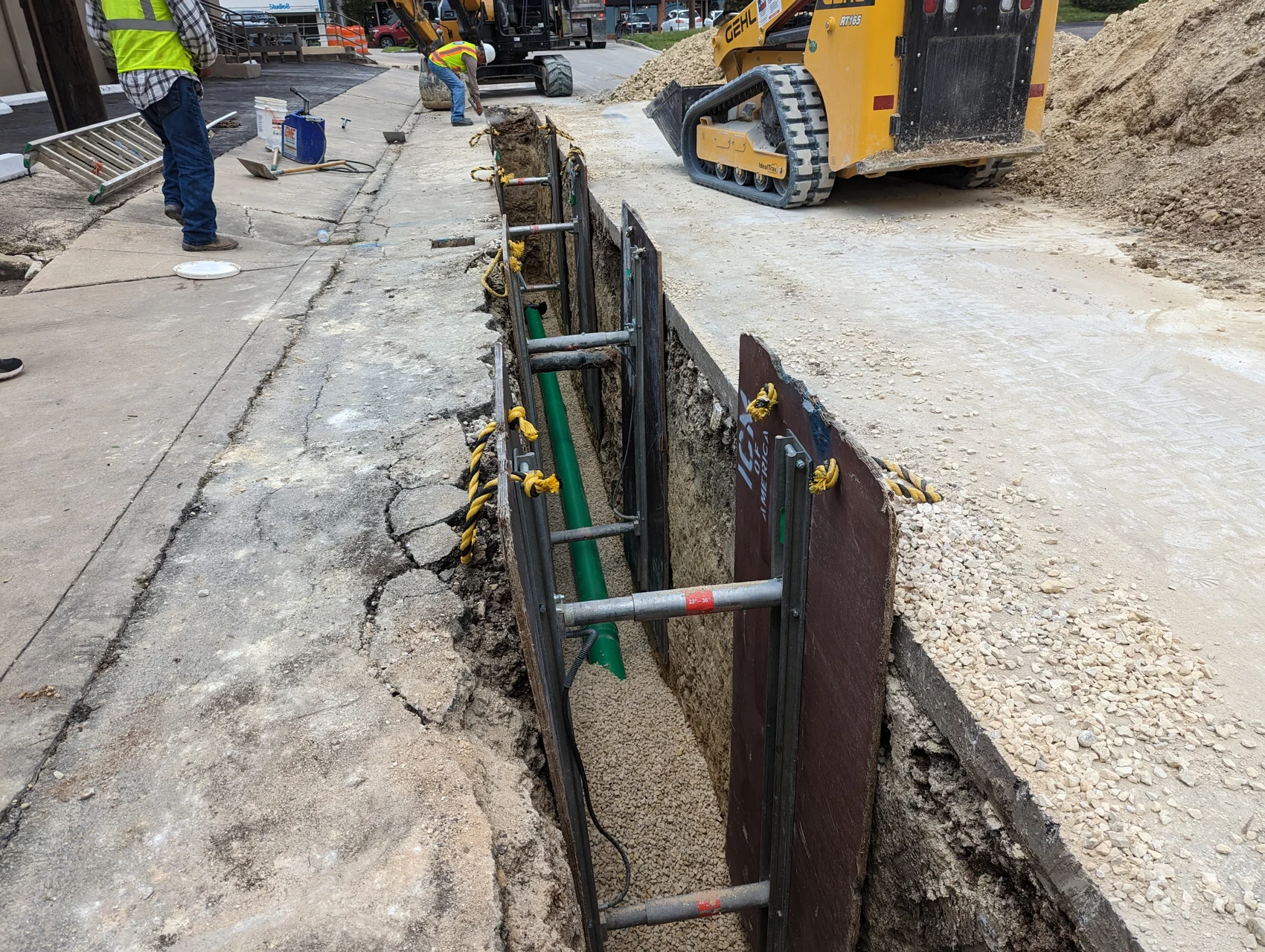
Sanitary sewer engineering is not just about laying pipe. It's about ensuring the entire system performs as intended — under normal use, peak flow conditions, and long-term wear.
You should expect a team that:
That's how we approach sanitary sewer systems — by focusing on system performance, not just installation.
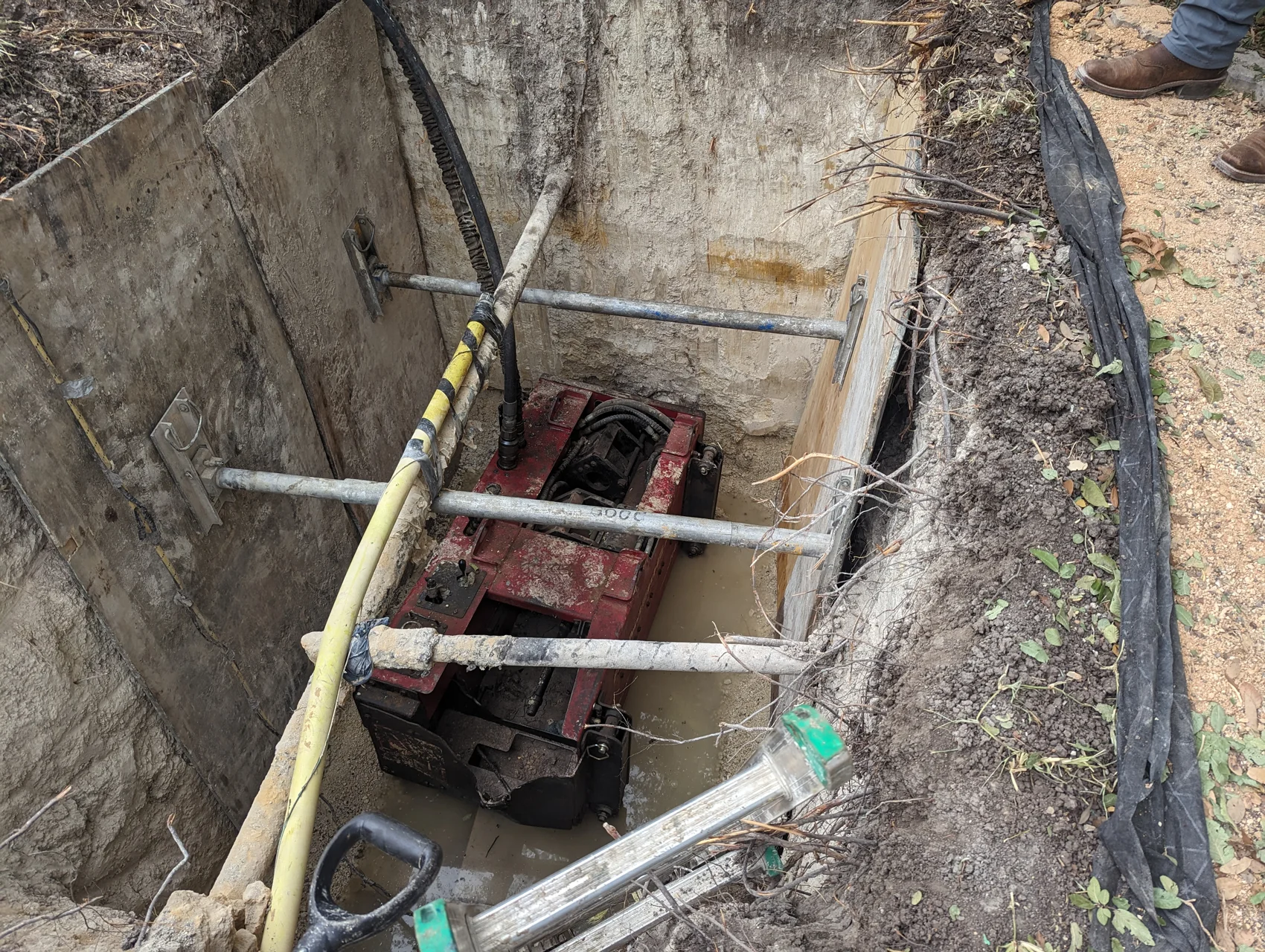
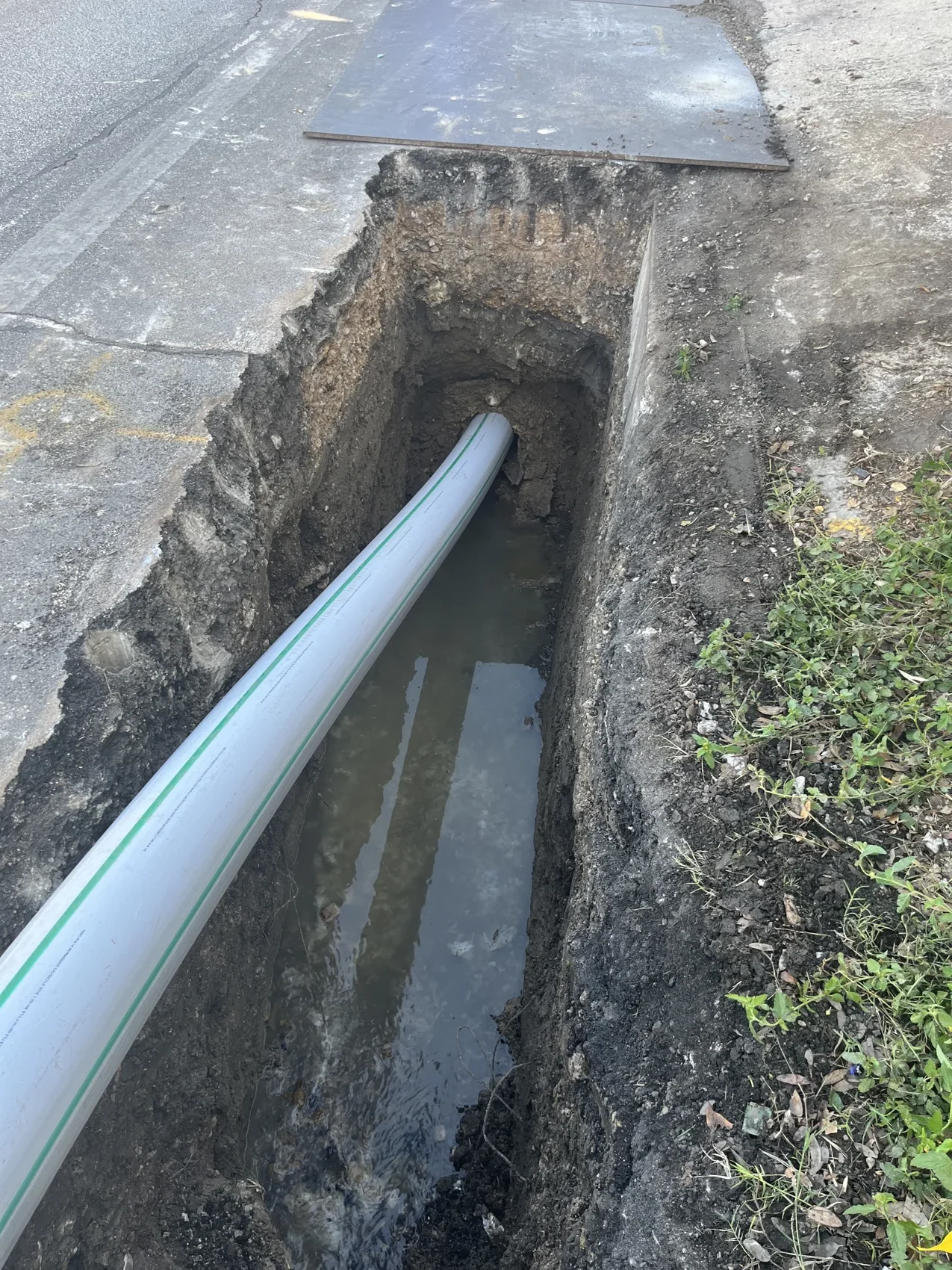
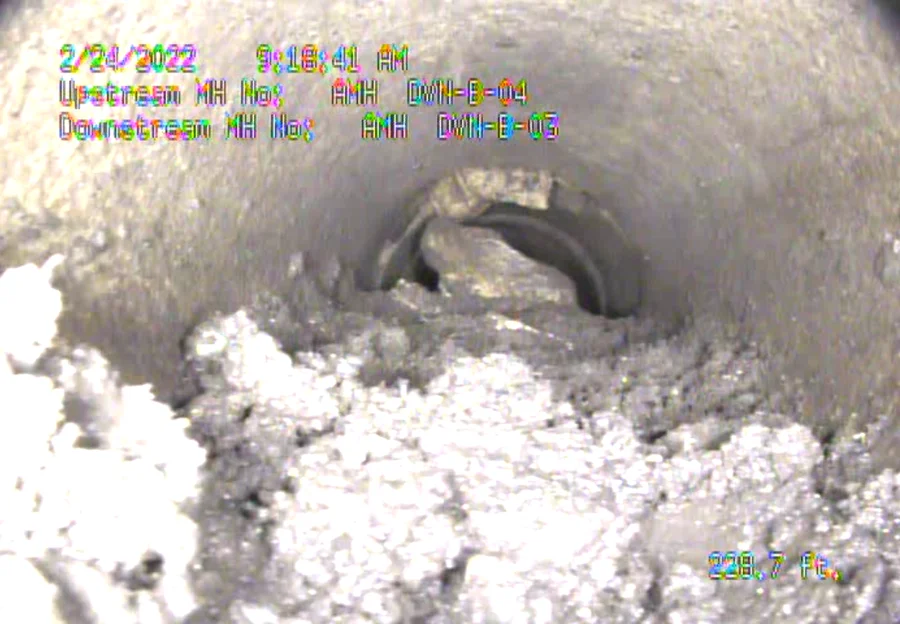
Our work is built around planning, evaluation, and practical implementation.
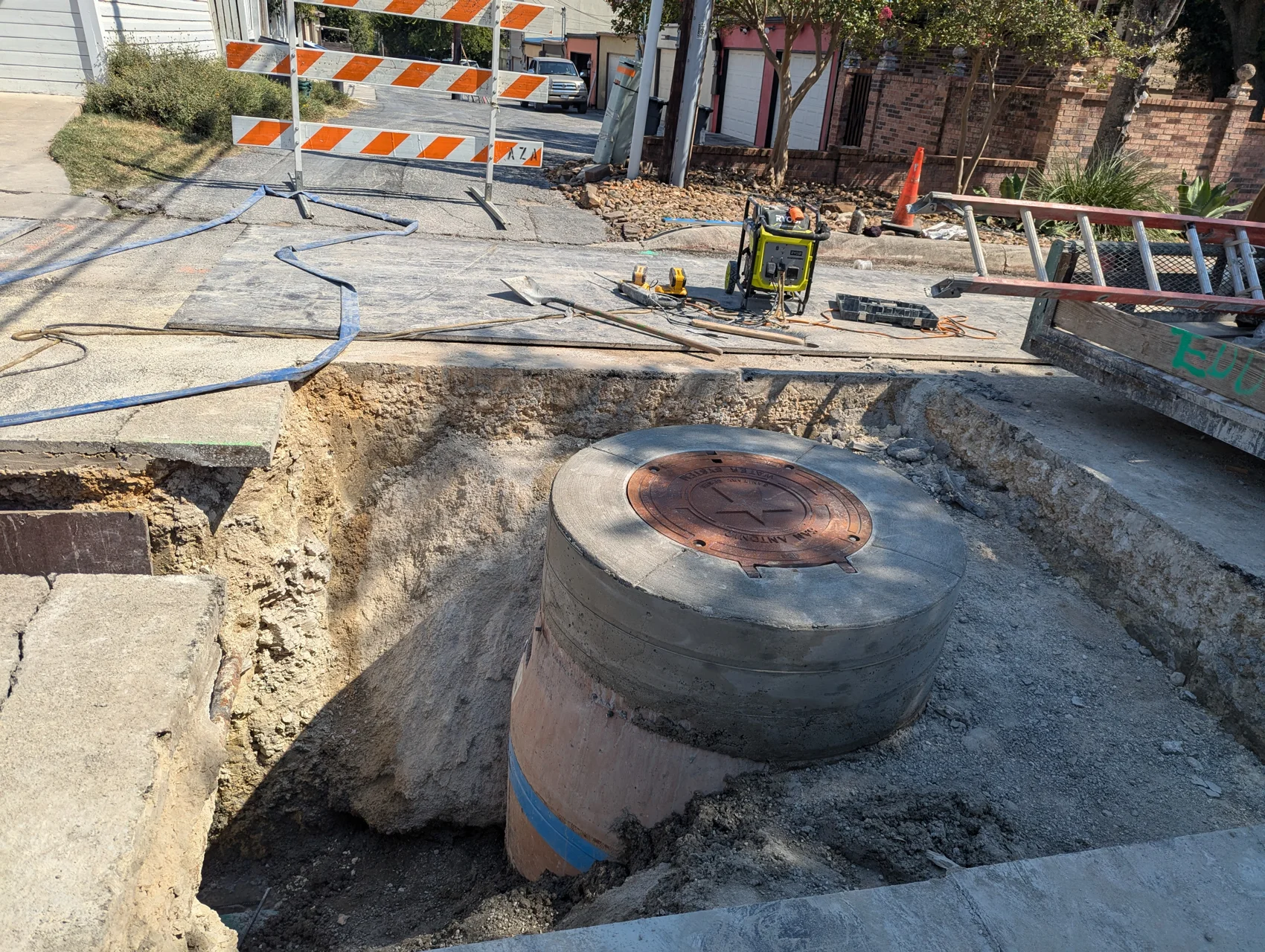
For new development, sanitary sewer systems are designed based on projected usage. Most municipalities define flow using Equivalent Dwelling Units (EDUs), which represent the wastewater contribution of a typical residential connection.
Sewer pipes are sized based on total anticipated peak flow and local design requirements.
As part of land development engineering, sewage collection systems must integrate with other types of existing infrastructure — streets, sidewalks, and other utilities. In areas transitioning from rural to developed communities, older systems are often undersized, requiring replacement, parallel lines, or reconfiguration to increase collection and conveyance capacities.

Many sanitary sewer systems in operation today are 50 to 100 years old. Materials used in these older systems — such as concrete and vitrified clay pipe — are subject to deterioration over time.
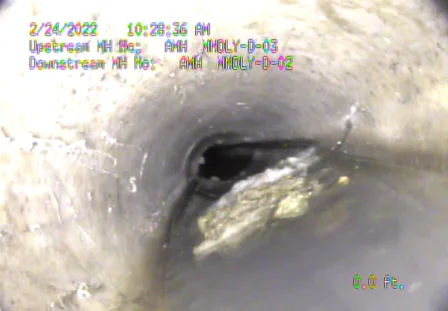
Sewage collection systems are evaluated through manhole and camera inspections to understand internal conditions and identify early signs of wear before failures occur. This is important, as sewer issues can create real hazards for people and animals exposed to overflows or spills.
Remote camera inspection is one of the most effective methods for identifying hidden defects before they lead to performance failures.
Sanitary sewer systems can be affected by ground movement and long-term stress.
Soil movement places stress on the pipe. Joints can separate, alignments can shift, and low sections (sags) can form where flow slows and solids collect — diminishing or blocking pipe capacity.
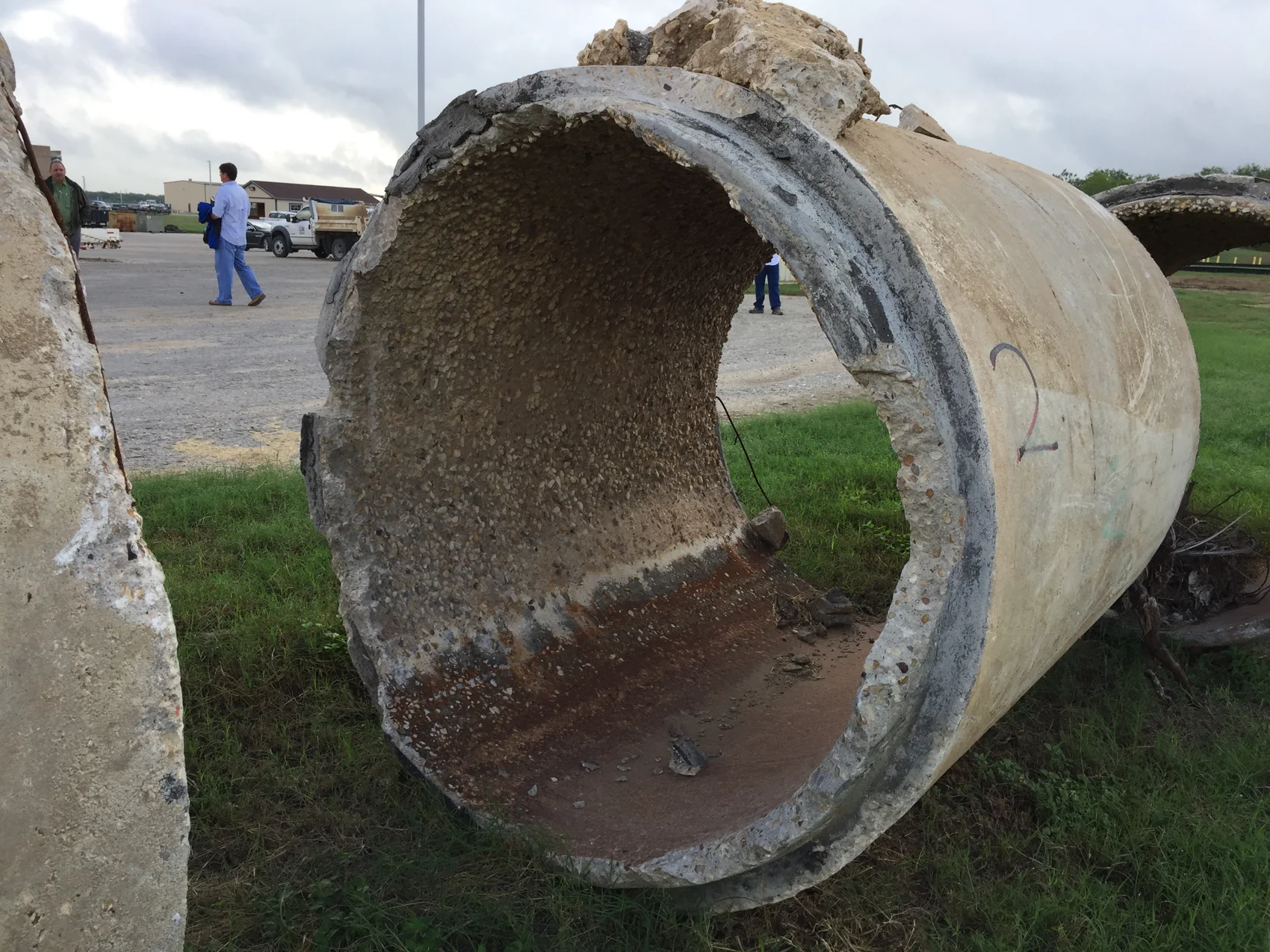
Bacteria convert hydrogen sulfide gas into sulfuric acid, which corrodes concrete sewer pipes — weakening the structure by "eating" the cement paste and leaving only the aggregate behind.
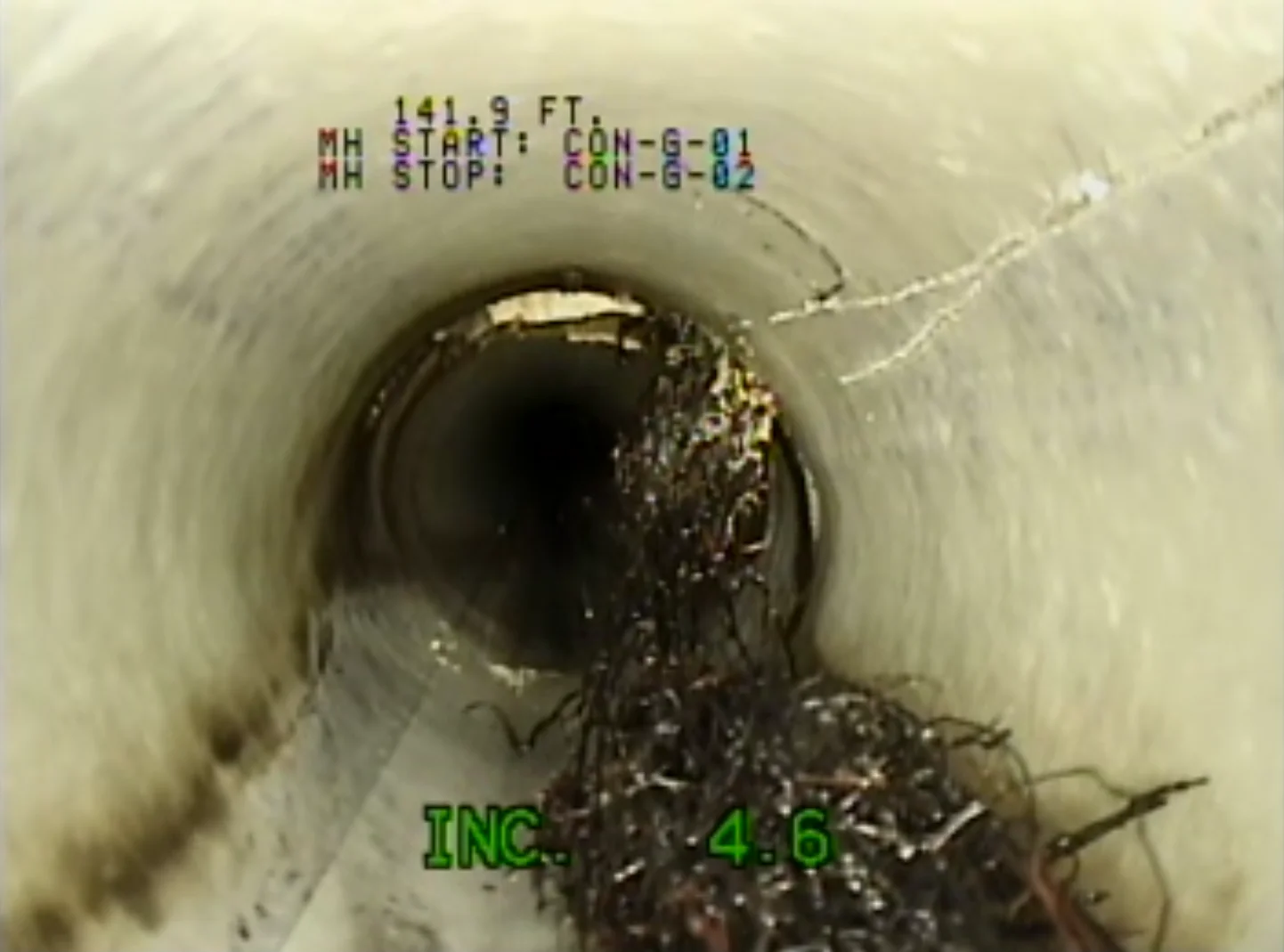
Roots enter through cracks or joints, expand inside the pipe, and restrict flow — leading to blockages, cracking, and long-term damage in older sewer pipes.
Inflow and infiltration reduce system capacities and increase treatment costs. Both are often tied to broader stormwater compliance requirements.
Surface water entering directly through manhole lids, other surface openings, or improper connections.
Groundwater entering through cracks and joints in the sewer pipe walls and connections.
We identify I&I issues through:
These methods locate entry points and guide corrective action.
Traditional open-cut installation is still used for installing and repairing sanitary sewer collection systems, but modern approaches also rely on trenchless technology for congested areas, limited-access sites, and high-traffic corridors.
Trenchless technology alternatives include:
The appropriate method depends on system conditions, capacity requirements, site constraints, and long-term performance goals.
For new development, sanitary sewer systems are designed based on projected usage. Most municipalities define flow using Equivalent Dwelling Units (EDUs), which represent the wastewater contribution of a typical residential connection. Sewer pipes are sized based on total anticipated peak flow and local design requirements. In areas transitioning from rural to developed communities, older systems are often undersized, requiring replacement, parallel lines, or reconfiguration.
Many sanitary sewer systems in operation today are 50 to 100 years old. Sewage collection systems are evaluated through manhole and camera inspections to understand internal conditions and identify early signs of wear before failures occur. Remote camera inspection is one of the most effective methods for identifying hidden defects.
Soil movement places stress on the pipe — joints can separate, alignments can shift, and sags form. Hydrogen sulfide gas creates sulfuric acid that corrodes concrete sewer pipes. Root intrusion enters through cracks or joints, expanding inside the pipe and restricting flow.
Inflow is surface water entering through manhole lids or improper connections. Infiltration is groundwater entering through cracks and joints. Both reduce system capacities and increase treatment costs. We identify I&I issues through sewer inspection, flow monitoring, and smoke testing.
Trenchless technology alternatives include pipe bursting, directional drilling, and CIPP lining. The appropriate method depends on system conditions, capacity requirements, site constraints, and long-term performance goals.
Sanitary sewer systems are governed by multiple levels of regulation, which vary by location.
Regulations Vary by State
Municipal & Utility Authority Standards
Ongoing maintenance through inspection programs, condition assessments, and capital planning is critical to long-term system performance and regulatory compliance.
Our approach focuses on practical design, long-term performance, and system reliability.
Contact Our Team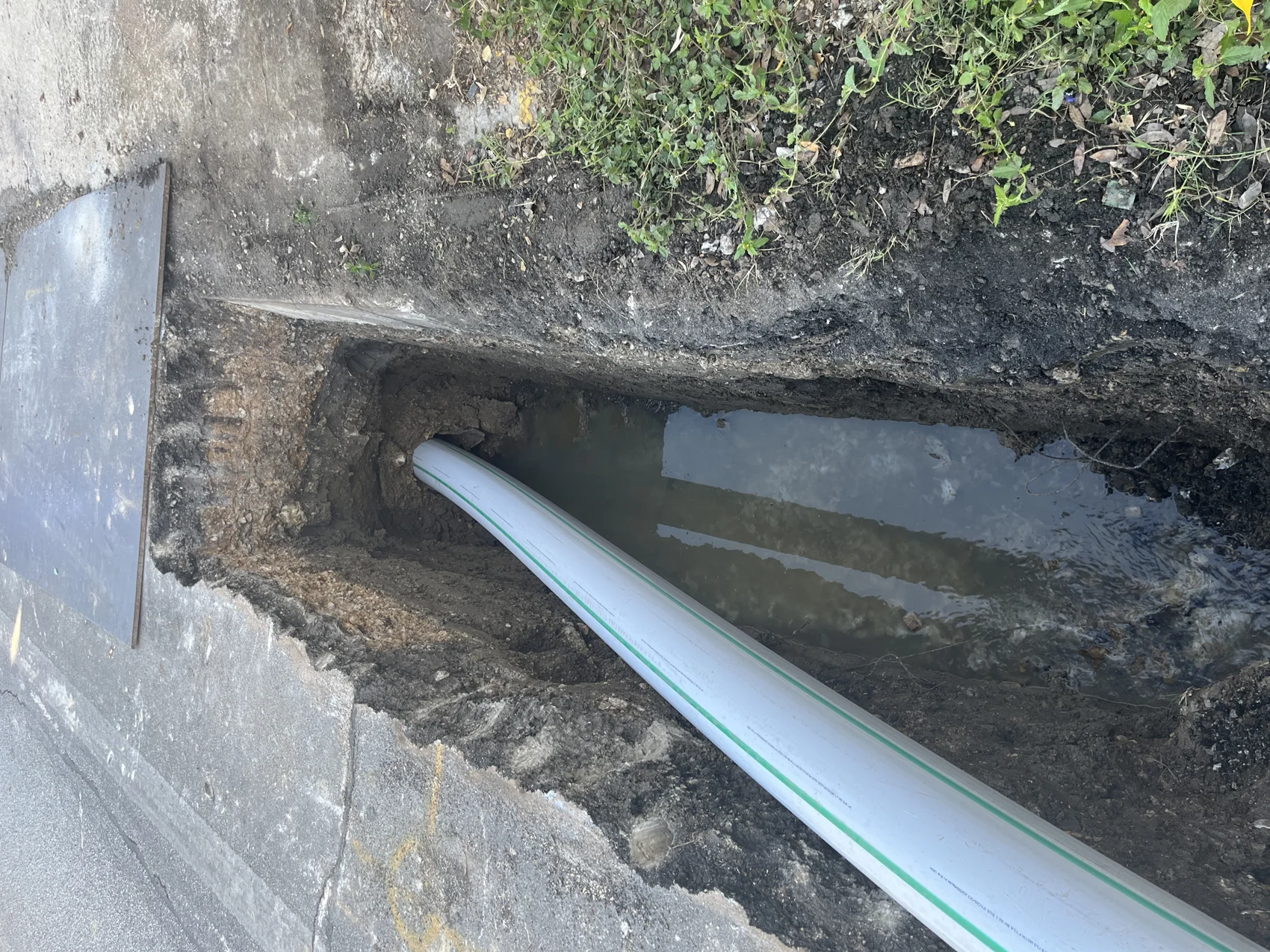
Sanitary sewer systems are essential to safe, functional communities. When they're planned and maintained correctly, they operate without disruption. When they're not, the impact can be severe — service issues, overflows, costly repairs, and regulatory fines.
Givler Engineering helps municipalities and utility owners design and maintain systems that perform reliably under real-world conditions.
Contact Givler Engineering